
Sorting ocean animals
Free photo activity for ages 6–12. Read, look closely and discuss; write or draw answers on paper.
Photo study 1
Sea stars and sea urchins
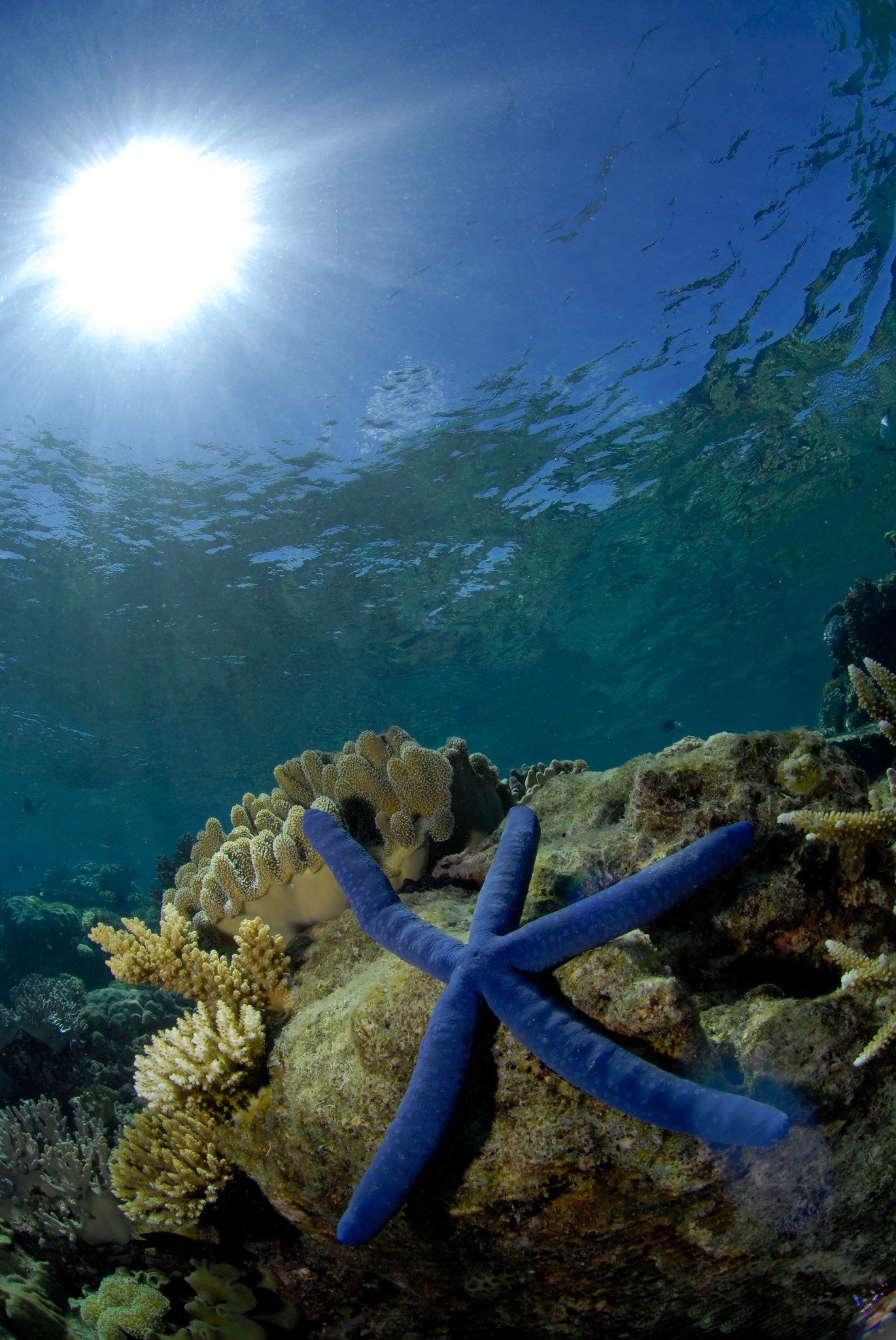
Photograph 1 · Troy Mayne
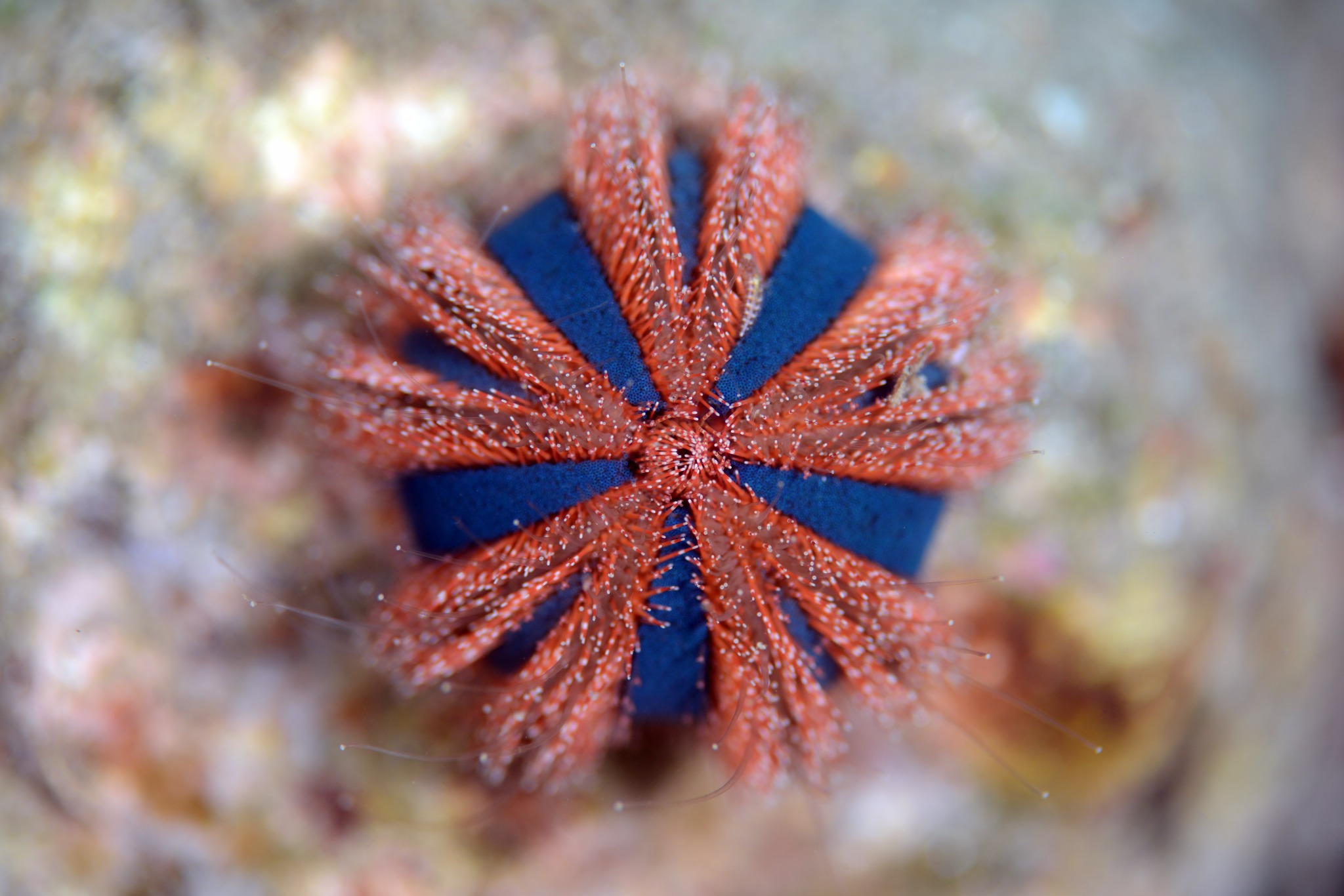
Photograph 2 · Troy Mayne
A blue sea star spreads its arms; an urchin has many long spines.
Discuss: Why might these different-looking animals be studied together?
Ages 6–8: Name one difference between the two animals.
Ages 9–12: Why is appearance alone not enough to classify an animal?
Photographs: Troy Mayne • in001.jpg, in006.jpg
Photo study 2
A very large fish
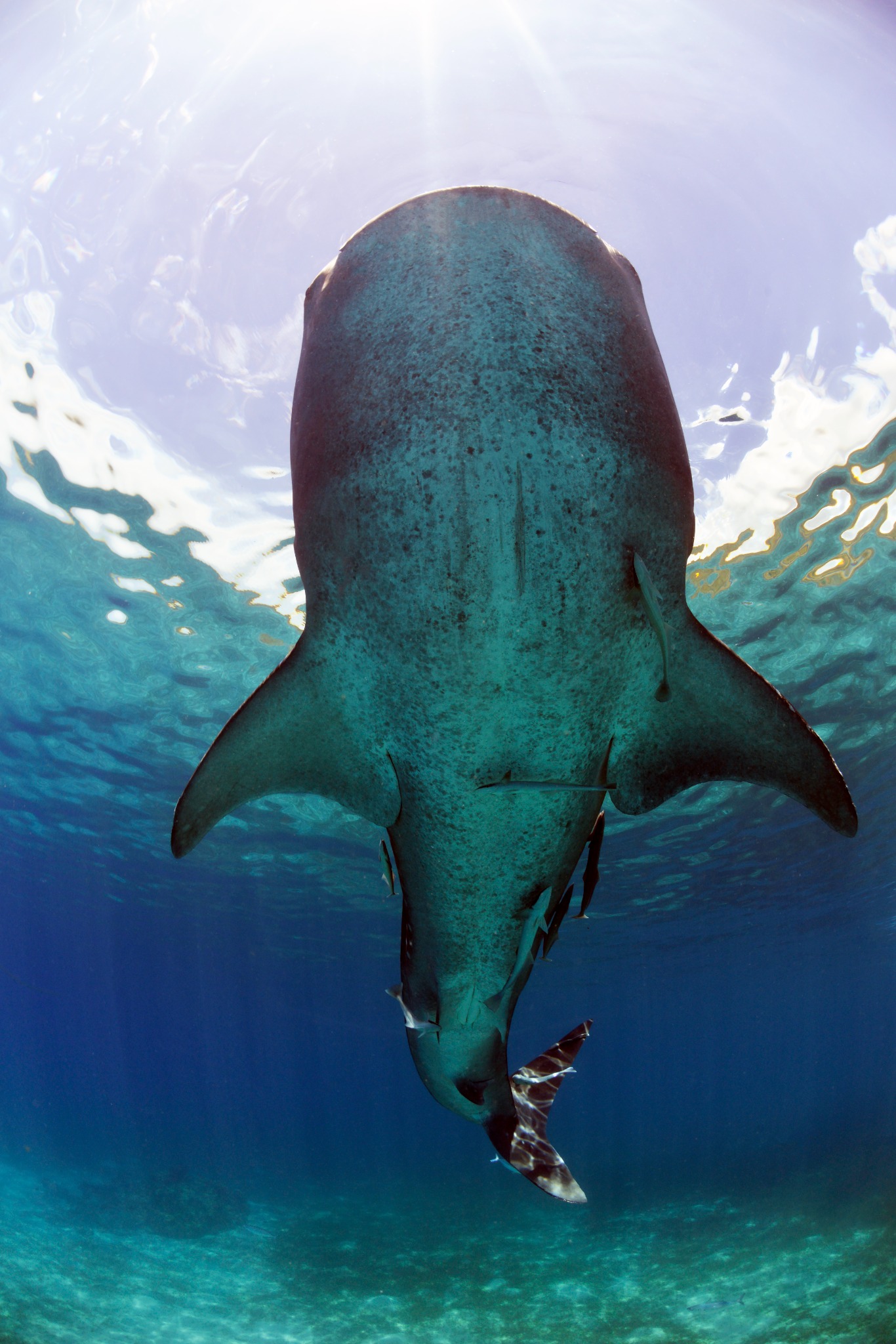
Photograph 3 · Troy Mayne
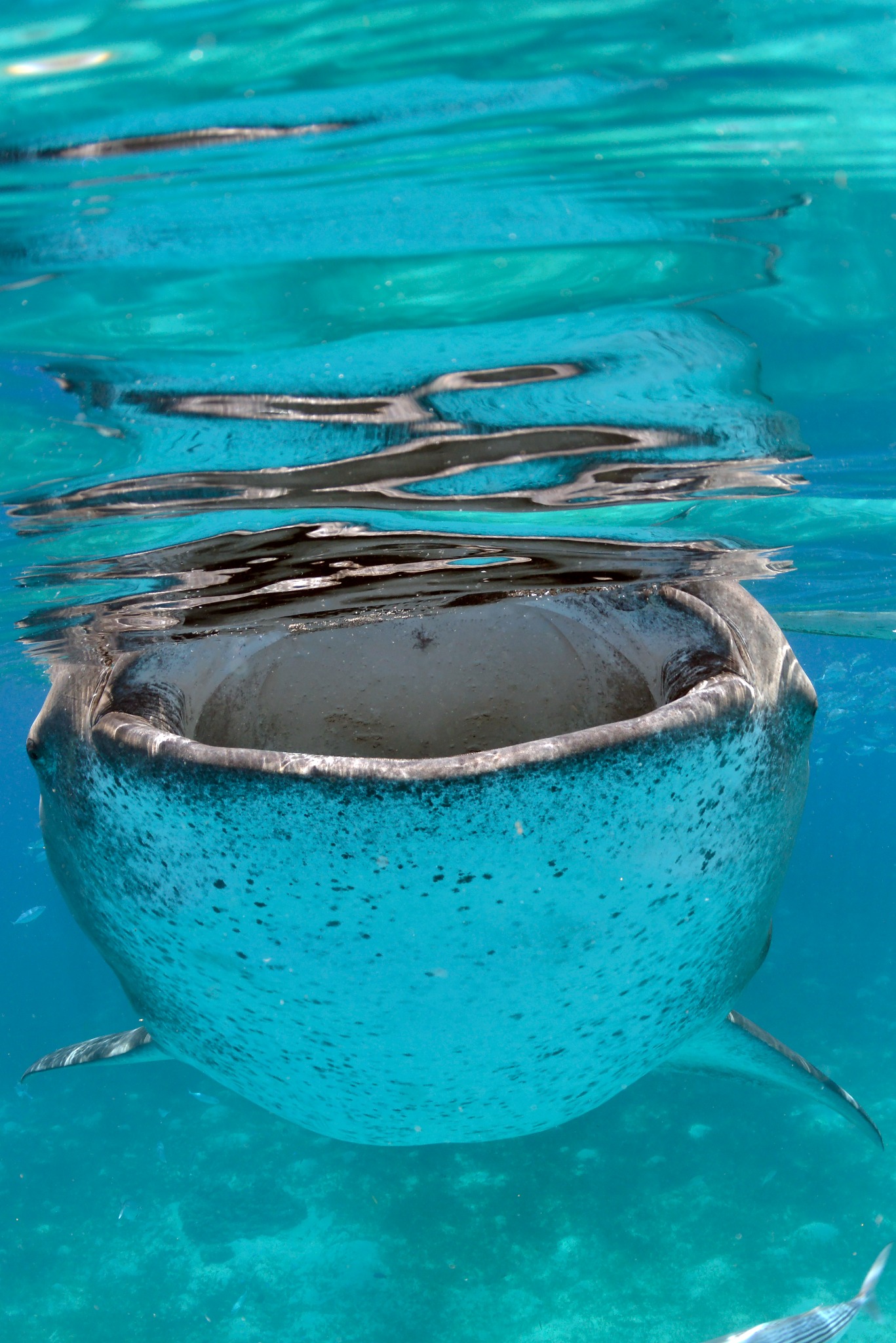
Photograph 4 · Troy Mayne
Whale-shark views reveal the broad head, mouth and underside.
Discuss: Why is a whale shark grouped with fishes rather than whales?
Ages 6–8: Find the whale shark’s mouth and fins.
Ages 9–12: What evidence shows that a whale shark is a fish?
Photographs: Troy Mayne • sk001(4).jpg, sk005.jpg
Pupil worksheet
1. Choose a sea star, a sea urchin and a whale shark. Draw one visible feature of each.
2. Sort the three animals into animals with a backbone and animals without a backbone. Explain your rule.
3. What extra information would help you check a group you are unsure about?
Teacher notes
Learning goal: Use body features and reliable information to explain how animals are grouped.
Time: 30–40 minutes. You need: the photo pages, the worksheet and pencils. Project the photographs or share printed copies; print only page 3 of the PDF for each pupil.
Teach: Observe quietly, compare ideas in pairs, then discuss as a class. Younger pupils can point, draw or dictate. Older pupils should explain their evidence and identify uncertainties.
Photo discussion
Photo study 1: Both are echinoderms. Compare the visible arms and spines, then introduce their shared group. Classification draws on body organisation, not simply whether two animals look alike at first glance.
Photo study 2: A whale shark is a shark, with gills and a skeleton supported by cartilage. Its name and large size do not make it a mammal. Point to visible structures, then use research to distinguish gill breathing from the lungs of whales.
Worksheet guidance
Sea stars and sea urchins are invertebrates in the echinoderm group. A whale shark is a vertebrate fish. The word “whale” in its name does not make it a mammal.
Do not equate “no backbone” with “no skeleton”: echinoderms have internal skeletal structures. Photographs do not reveal every feature needed for classification.
Check learning: Ask each pupil for one observation, one explanation and one question still to investigate.
Useful words: vertebrate: an animal with a backbone; invertebrate: an animal without a backbone; classify: arrange into groups using shared features.
Sources and photograph record
Adapted from Troy Mayne’s WRG teacher manuscript, photo studies N02, S02. The original photographs are reproduced in full. Source links checked 1 November 2026.
Photographs © Troy Mayne. Original photographs shown in full and in their supplied order.